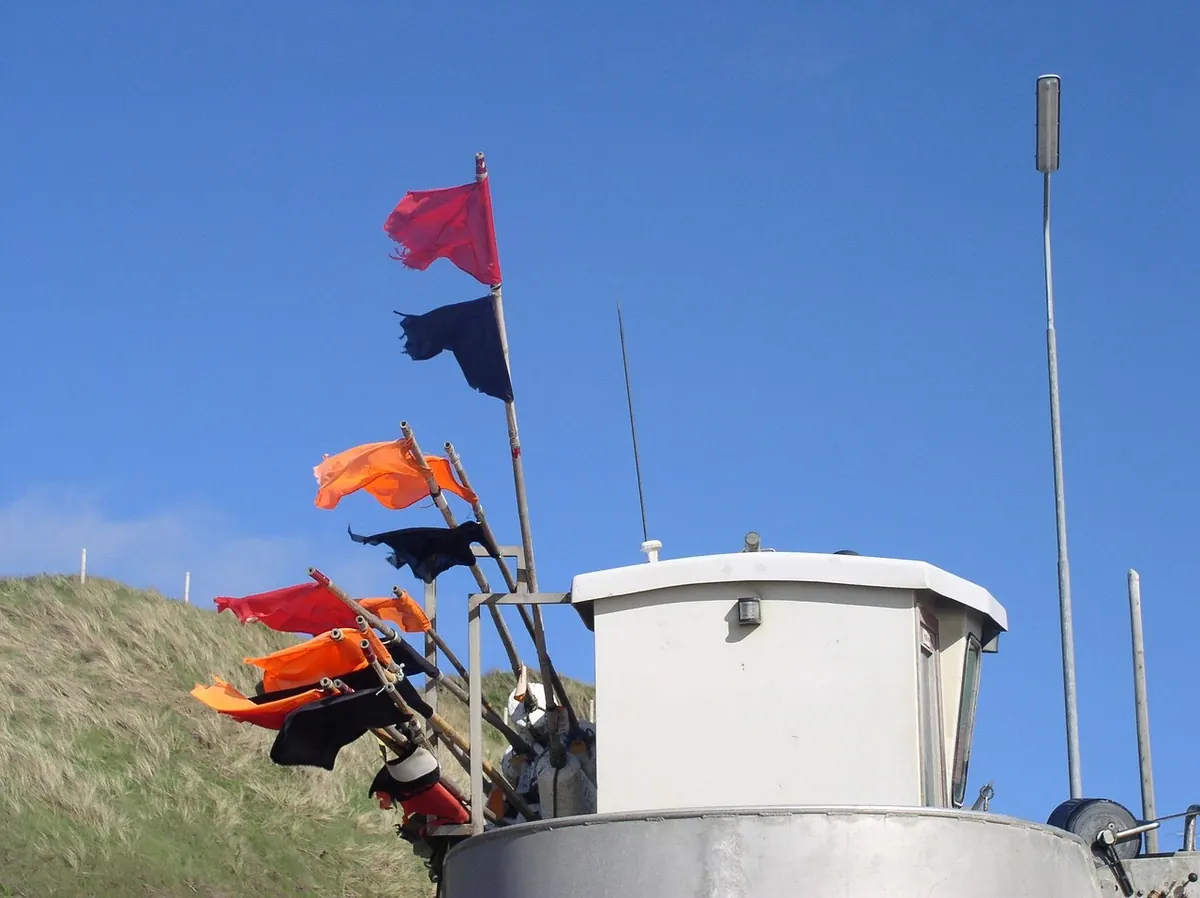
Winter Harbor Walks: What to Wear and When to Go

The harbor in January belongs to the people who work it. The pleasure boats are under tarpaulins, the kiosk is shuttered, and the quay smells of diesel, wet rope and cold stone. That is exactly why the walking is good: no crowds, long views through bare rigging, and a low sun that turns every puddle into a strip of light. But an off-season walk around a working port asks more of you than a summer stroll. It asks for the right layers, boots that grip a wet steel ramp, and a little respect for the fact that the boats are still going out. Here is how to plan one.
Dress for the wind, then worry about the coat
Wind is the variable that decides whether a winter harbor walk feels bracing or brutal. Quays funnel it: a breeze that is mild in the town square can come round a shed corner at twice the strength, and the end of a breakwater is always the coldest place within a kilometer. So build for wind and damp first, temperature second.
Three layers, each with a job:
- Base layer in merino or a synthetic wicking fabric. Not cotton — it holds sweat and then chills you the moment you stop to watch a trawler come in.
- Mid layer in fleece or thin wool. Two light mid layers are more useful than one thick one, because you can shed one on the climb up from the water and put it back on at the breakwater.
- Shell that blocks wind and shrugs off spray. Look for a hood that stays put without you holding it, and that fits over a hat.
Vent early. Unzip the shell before you sweat, not after. And carry a spare fleece or a light insulated jacket in your pack for the stretch where you stop moving: standing still on a quay in a cold wind cools you far faster than walking does.
Feet first: boots for quays, ramps and frost
Harbor surfaces are harder on footwear than any forest trail. You will meet worn concrete, greasy cobbles, wet wooden pontoons, steel ramps with diamond-plate tread, gravel, and — in a cold snap — a thin glaze of ice everywhere the spray has landed. Salt water freezes into a film on cold metal and stone that is almost invisible and genuinely slippery.
Insulated leather boots with a deep, soft-rubber lug pattern are the best all-round choice. Rubber boots are better in standing water and slush; their smooth soles are much worse on frost, so if you wear them, add slip-on traction cleats on icy mornings. Leave the smooth-soled city boots at home — fine for a shop doorway, dangerous on a ramp that slopes down to the water. Wool socks, plus a spare pair in the car. In really wet weather, short gaiters keep spray off your trousers and out of your boots.
Two things people forget: ankle support for uneven cobbles, and a walking pole. One pole is enough, and on a frosty morning it turns a cautious shuffle down a slipway into an ordinary walk.
Time the walk to the light
In the darkest weeks of the year, the useful daylight between first and last light is short, and it is gone by late afternoon. That shapes the walk more than the temperature does.
There are two good windows. The first is the hour or so after sunrise: the harbor is at its calmest, crews are moving, gulls are busy, and if there is mist it sits between the masts. The second is the two hours before sunset, when the low sun rakes across the sheds and the boats come back in. Middle-of-the-day light is flat, but it is the warmest and the safest, and it is the sensible choice if you are walking with children or with someone who feels the cold.
Check the tide table as well as the clock. Routes that include a slipway, a beach at the harbor mouth or rocks below the seawall change character completely between high and low water, and tidal edges are where people get caught out. Plan your turnaround so you are back on lit streets well before dusk, and carry a small headlamp even for a three o'clock start in December. Blue hour over a harbor is beautiful. It is also cold, and it gets dark quickly.
Read the forecast like a local
Temperature alone tells you almost nothing about a walk around a working port. Look at four things.
- Wind direction and gusts, not just wind speed. A wind straight into the harbor entrance makes the outer pier unpleasant and wet; the same speed from the land side leaves the inner quay almost calm.
- Wave height and swell if your route goes out on a breakwater. Spray carries a long way and lands as ice on the walkway.
- Fog, which forms on calm, cold mornings and can sit over the water while the town behind you is clear.
- Local notices. Harbor offices and notice boards announce dredging, closed basins, works on the quay and temporary barriers. A pier that is open in July can be shut in February.
Rain radar is worth a look ten minutes before you leave, not an hour. Showers move fast on the coast, and the gap between two of them is often the best walking of the day.
Small kit that earns its place
- A hat that covers your ears, and a thin neck gaiter you can pull up over your chin in wind.
- Liner gloves plus a windproof outer glove, so you can take a photograph without exposing bare hands.
- A headlamp, small and light. Not for adventure; for the fifteen minutes later than you meant.
- A flask. Hot, sweet tea at the end of a breakwater is a better investment than another jacket.
- A dry bag for gloves that get wet, and a small towel in the car.
- Phone kept in an inside pocket. Cold drains batteries quickly, and a dead phone is useless if you need it.
Working piers are not promenades
This matters more than any gear. A fishing quay is a workplace. Stay outside painted barriers and marked lines, never walk under a crane load or a swinging catch, and give mooring lines a wide berth: a rope under load can part without warning. Do not step onto boats, gangways or fish boxes to get a better picture. If you want to photograph people working, ask first; a nod toward the camera is usually the whole conversation.
Keep dogs on a lead and away from lines, nets and the water's edge. Watch for ice dropping from rigging on cold mornings. And if a crew member asks you to move, move first and think later.
A simple winter harbor routine
None of this needs to be complicated. The night before, check the forecast, the tide table and any harbor notices. Lay out three layers rather than one coat, and put the boots by the door. In the morning, look at the radar, fill the flask, and tell someone which quay you are heading for and when you expect to be back.
Then walk. Start into the wind so the return leg is warm, keep the loop shorter than you think you need, and stop whenever you want to — that is the whole point of going out of season. The harbor in winter is quieter, colder and considerably more interesting than the version you see in August, and an hour of it, properly dressed, is one of the better ways to spend a short afternoon.
Photo: IdaT / Pixabay