Low-Season Harbor Festivals: A Local's Guide to Quieter Coastal Events
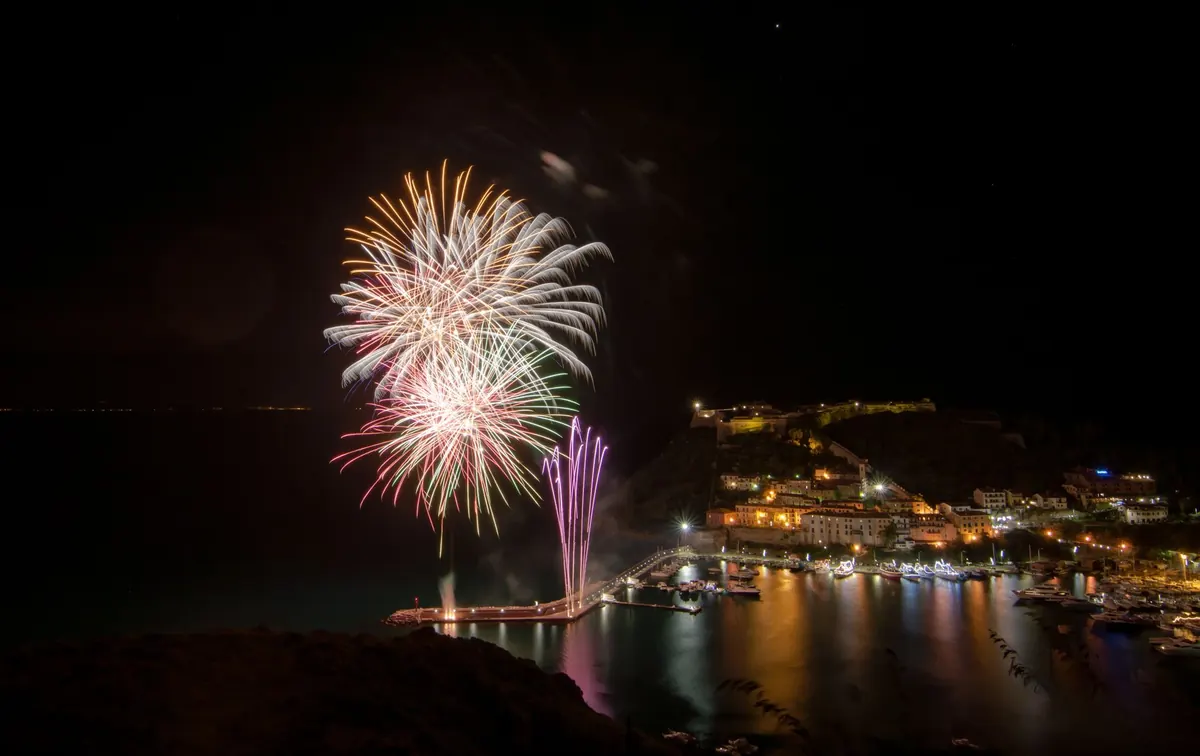
Every port town keeps a second calendar. The printed one lists the August regatta, the midsummer seafood fair, the fireworks that bring coach parties from three counties. The other one is pencilled on a board by the harbormaster's office or passed along at the fish market: a Tuesday-night rowing race in late September, a mussel supper in a boat shed in November, a lantern walk in March when the fleet comes back to paint and mend. These are the events worth travelling for — smaller, cheaper, and staffed by people who have time to talk to you.
Low-season festivals come with their own rules. They depend on the weather in a way summer events never do, they run on local timetables, and plenty of them never appear on a national listings site. Planning well is mostly a matter of knowing what to check, and when.
Why Ports Are Better in the Shoulder Months
A working harbour in July is a stage set. The quay is roped off, the queue for fried fish reaches the ice house, and the boats that actually fish have moved two pontoons down to get away from the crowd. Come back in October and the balance tips back. You can hear the rigging. The people cooking at the stalls are the ones who hauled the catch that morning, and they will tell you which pan to queue for.
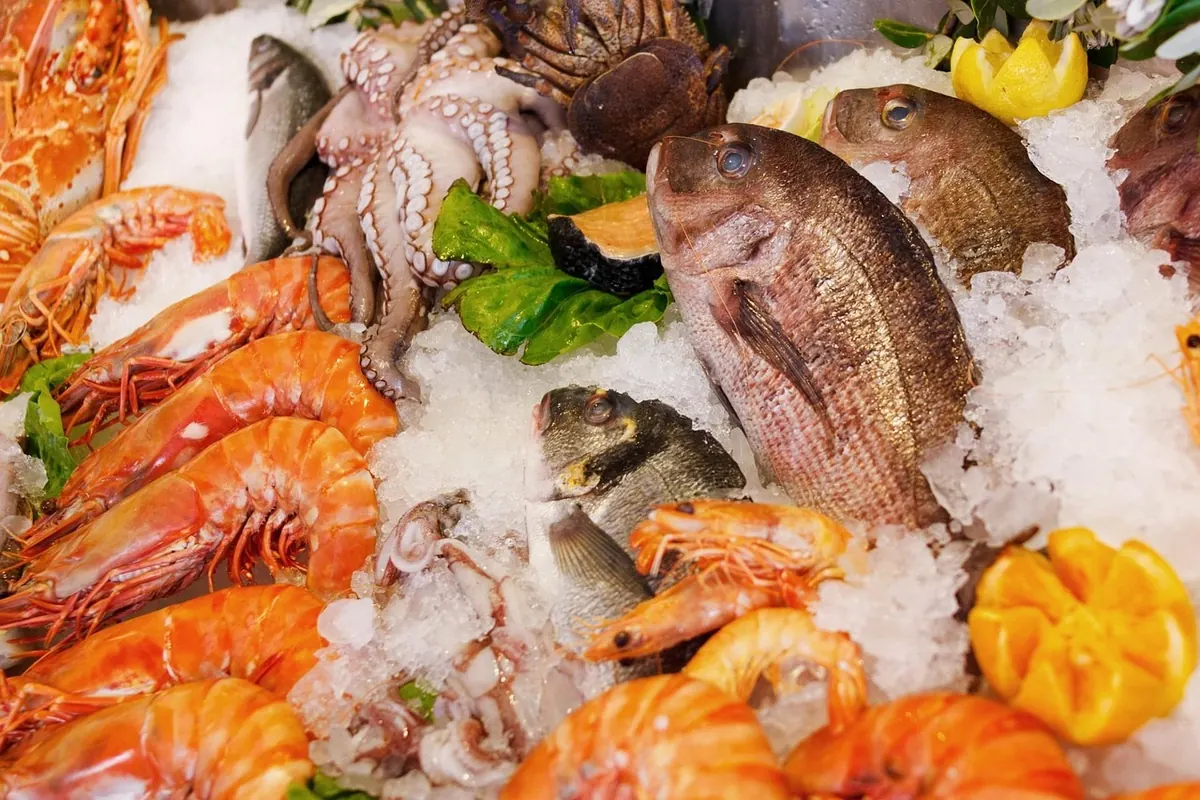
Food is the strongest argument. Off-peak festivals tend to be built around whatever is genuinely at its best — mussels after the first cold snap, oysters in the months with an R in them, sardines and sprats, cuttlefish in spring, seaweed and salt-marsh lamb on the same plate. There are fewer stalls, but the ones that turn up have a reason to be there. Room rates fall too, often sharply outside the summer peak, which quietly changes what kind of trip you can afford.
The Four Kinds of Event Worth Chasing
You do not need a long list. Almost every low-season waterfront gathering in a fishing port falls into one of these categories, and each has a slightly different rhythm worth knowing before you book.
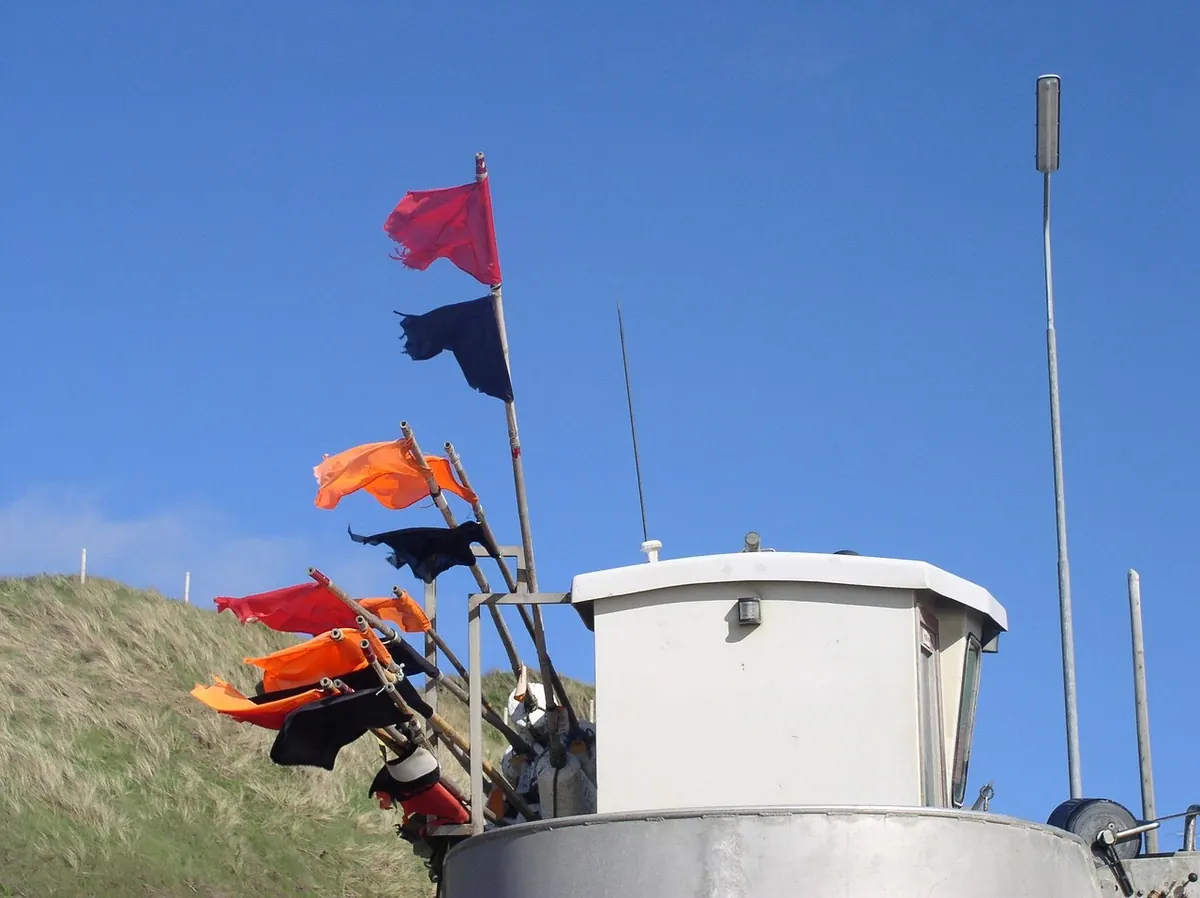
- Blessings of the fleet and boat processions. Usually spring or early autumn. Boats are dressed with flags, there is a short ceremony on the quay, then a parade afloat. Arrive half an hour early — the manoeuvring in a tight harbour is the best part, and it is over before most people have found parking.
- Harvest-of-the-sea food festivals. Mussels, oysters, clams, sardines, herring, sea urchin, seaweed. These are tied to the catch, which is exactly why they sit outside the summer season. Expect long tables, paper plates and a queue that moves faster than it looks.
- Working-boat and traditional-craft gatherings. Wooden-boat rallies, dinghy races, rowing regattas, swap meets where you can buy a hand-made oar and a used life ring. Quiet, unhurried, and full of people who will happily explain a rig to a stranger.
- End-of-season nights. Lantern walks, bonfires on the shingle, harbour illuminations, "last haul" suppers. Small, short, and usually finished by ten.
Finding them takes a bit of digging. The municipal tourist office is the best single source — email and ask for the shoulder-season calendar rather than the summer brochure. Then check the noticeboards outside the fish market and the chandlery, the local paper, and the harbour authority's pages. Confirm a week ahead and again two days before: small events get moved or cancelled quietly, and a noticeboard is often the only place that says so.
Read the Marine Forecast, Not the Weather App
Wind decides whether the event happens
A general weather app will tell you it will be thirteen degrees and cloudy. It will not tell you that a twenty-five-knot onshore gust will flatten the stall awnings and send the organising committee into the boat shed, or home. Look at a coastal or marine forecast instead: wind speed and direction, gusts, wave height. Onshore wind plus a low quay equals a wet afternoon, whatever the little icon says.
Tide decides where it happens
Some of the best low-season set-ups are on slipways and tidal quays that vanish under water twice a day. Ask the organisers where the festival sits at high water. If the venue is a beach or a ramp, check a tide table before you book a room; a mid-afternoon high tide can wipe out the part of the day you came for.
Daylight and cold
Late October gets dark early, and lantern events may not start until half five, by which time the last ferry has gone. Harbour fronts are colder and windier than the streets behind them, so bring a waterproof shell, a warm middle layer and shoes with grip. Salt-glazed cobbles are genuinely slippery, and a fall is the most common way visitors end a good evening early.
Timing Your Day Around the Crowds
"Smaller crowds" is relative. A festival of four hundred people can still feel packed on a narrow quay, so the trick is to work the edges of the day rather than the middle of it.
- Aim for the middle day. Opening night draws the town itself; Sunday afternoon draws families from inland. A weekday evening or a Monday is usually calmest.
- Come early for the food. The best stall sells out, fish is freshest before noon, and the market hall is almost empty at nine.
- Eat at local hours. Lunch at one, dinner at half eight. You will get a table while other visitors are still standing in a queue at seven.
- Leave the car behind. Quayside parking is tight even in November, and the walk in from the edge of town is often the nicest ten minutes of the day.
- Ask one question at every stall: "When does it get busy?" Stallholders know the rhythm of their own festival better than any programme does.
Rooms, Tables and the Last Ferry
Small harbour hotels close for the winter, so confirm by phone that the place is open, that the kitchen is running and whether your room faces the quay where a band plays until midnight. Book two nights if you can. Weather moves festivals, and a single night gives you no room to adjust.
Fewer restaurants stay open, but the ones that do are serving the people who live there. Book ahead even in the quiet months, and ask what came in that morning — in small ports the menu is often written the same day. Check the last ferry or bus before the second glass of wine rather than after, because shoulder-season timetables thin out fast. Carry some cash as well; card readers and salt air are not reliable companions.
When the Weather Turns
Build one indoor option into every day: a covered market hall, the fish auction building, a small maritime museum, a boat shed, a church with a good ceiling. A festival that decamps into a shed with a fish supper and folding tables is not a lesser version of the outdoor one. Sometimes it is the part you remember.
Fog, oddly, is its own entertainment in a port. Sound carries, foghorns answer each other across the water, and the harbour becomes a place of voices rather than views. Walk the quay slowly, keep away from the very edge, and listen for engines.
Before You Go: A Short Checklist
- Confirm the event is running: email the tourist office a week out, check the organiser's page two days before.
- Look at wind, gusts and wave height, not just rain.
- Check the tide if the venue is a slipway, beach or tidal quay.
- Find out the backup venue, and whether it is heated.
- Note the last ferry or bus, and book a room you could afford to keep an extra night.
- Pack layers, a waterproof shell and shoes with grip for wet stone.
Do that much and the low season stops being a compromise. You get the harbour as it is used rather than as it is staged, a table without a queue, and a festival you will struggle to find a photograph of anywhere online.
Photo: Edo Rossi / Pexels