Seasonal Seafood Calendar: What's Fresh in Port Markets Month by Month
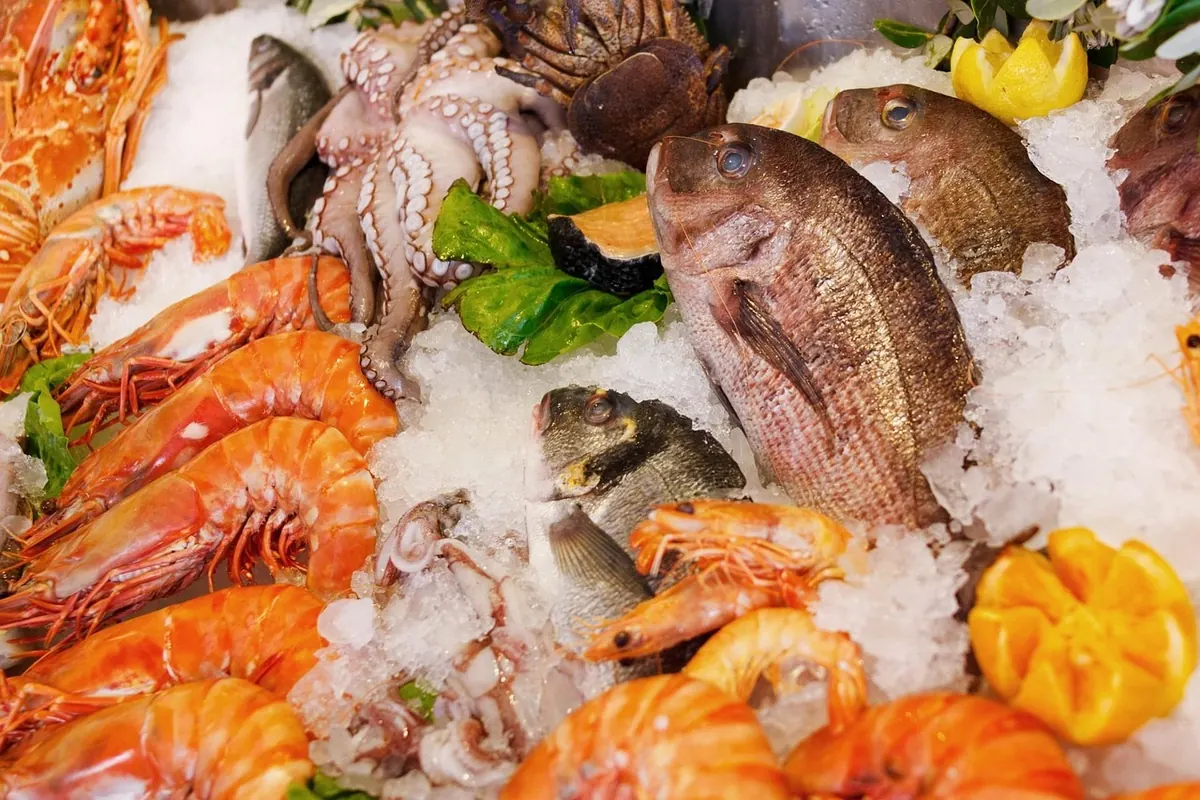
The boxes come off the boat in the half-light and get stacked on wet concrete in an order that looks random and isn't. In February the ice holds hake, monkfish, sole and a scattering of cuttlefish. By July the same spot is a wall of sardines, anchovies and swordfish loins, and the hake has moved to a smaller corner. Nothing has been announced. The season simply arrived, and the market rearranged itself around it.
Learning to read that rearrangement is one of the most useful skills a cook can pick up at a port. It changes what you buy, how much you pay for it, and how good it tastes when it reaches the pan. It also takes pressure off stocks that need a rest, because you stop asking the sea to supply the same five species all year round.
Reading the Season Off the Ice
Seasonal seafood is not a poster on a restaurant wall. It is the sum of water temperature, migration, spawning cycles, weather and the number of days the boats can actually get out. A cold, windy week in January can leave a market thin on variety but high on quality, because what did come in was handled fast and packed well. A calm week in September can fill the tables with more than you know what to do with.
The practical consequence is simple: shop the market in front of you, not the recipe you planned last Tuesday. Arrive with two or three ideas and enough flexibility to swap one fish for another of similar texture and oil content. If the bream looks tired and the gurnard is gleaming, dinner is gurnard.
Winter: Cold Water, Firm Flesh
Cold months suit fish that live deep and move slowly. Hake, monkfish, turbot, brill, sole and gurnard are at their best now, with firm flesh that holds up to roasting, braising and slow sauces. Cuttlefish are excellent, and so are the heavier shellfish — spider crab, lobster, and clams that have had a quiet season to fatten.
What to look for in winter
Flatfish should be stiff as a board and bright on the dark side, with no milky patches. Monkfish tails should feel tight, not flabby. Cuttlefish ought to be pearly and firm, with the ink sac intact if you plan to use it. Sea urchin arrives late in the season, and is worth buying only from a vendor who keeps them cold and sells them fast.
Winter markets reward patience and a good relationship with one fishmonger. Ask which boat brought what in, and be prepared to hear that the answer is nobody, because the wind kept everyone ashore.
Spring: The Awkward In-Between
Spring is a transition, and transitions are messy. Many species are spawning or recovering from it, and several fisheries close or restrict for exactly that reason. The rules differ from region to region and change more often than most shoppers assume, so read the notices posted at the market and ask the vendor directly rather than relying on a calendar you found online.
What tends to be good: sea bream and sea bass as the water warms, red mullet, the first squid, and cuttlefish in many Mediterranean ports. Late spring brings the tunny traps into action in places that still run them, along with the first of the warm-water arrivals. Sea urchin season usually ends around this point; enjoy the last of it and let the rest spawn.
Summer: Small Fish, Long Days
Summer is the season of the small pelagic. Sardines and anchovies are abundant, cheap and best cooked simply — grilled over charcoal, salted and fried, marinated raw if they are genuinely fresh and properly chilled. Mackerel, swordfish and tuna come into their own, and red mullet stays good.
Heat is the complication. Fish deteriorates faster on a hot morning than on a cold one, so buy earlier, carry a cool bag with an ice block, and go straight home. Shellfish deserve caution in summer: many species spawn in warm water and turn watery or soft, and warm seawater is not kind to anything harvested close to shore. Buy shellfish from a vendor with visible turnover and reliable cold chain, and if you are unsure about handling or health risks, take advice from a qualified professional rather than a market stallholder.
Autumn: The Best of the Year
If you can only spend one season learning a port market, choose this one. Water is still warm enough for abundance and cool enough for quality. Octopus, squid and cuttlefish are superb, mussels and clams come back into condition, and sardines are at their fattest. Hake returns, sea bass turns up wild and silver, and mackerel comes back through on its way south.
Autumn is also when markets get crowded with people buying for festivals, so go early or go late and accept a smaller choice. Whole fish is still the better buy: you can see the eyes, the gills, the skin and the belly, and you can ask for it to be gutted and scaled while you wait.
Shopping the Port Market: A Working Checklist
- Smell the air, not the fish. A good market smells of cold sea and ice. If the smell hangs around afterwards, walk on.
- Judge whole fish first. Clear, slightly convex eyes; bright red gills; scales that sit flat; a belly that is firm and not split.
- Press the flesh. It should spring back and leave no dent. Fillets should look translucent, not chalky or weeping.
- Ask what came in today. A vendor who can name the boat, the port or the morning is a vendor worth returning to.
- Buy the less fashionable fish. Gurnard, scad, picarel, spider crab and cuttlefish often deliver more flavour per euro than the famous names.
- Carry a cool bag and cash. Both make a practical difference at a working port.
- Check the day's notice board for closures, minimum sizes and any warnings.
- Walk the whole market once before buying anything.
- Pick one fish you know and one you don't, and ask how to cook the second one.
- Have it cleaned on the spot, then get it cold and get it home.
Ask the person selling it. They know what the boats brought and what they would put on their own table tonight.
A Calendar You Can Actually Use
You do not need to memorise twelve months of species. Learn the shape of the year instead: firm, deep-water fish and heavy shellfish in winter; spawning restrictions and lighter landings in spring; small pelagics and heat management in summer; abundance in autumn. Everything else is local variation, and local variation is exactly what a port market exists to show you.
Start with one change. Pick a single fish you normally ignore — gurnard, scad, cuttlefish — and buy it once a month for a year. Note what it costs, when it looks best, and how the flesh changes with the season. After a year you will have a personal calendar more accurate than any chart, built from the ice tables in front of you. Then keep going back. The market will keep rearranging itself, and you will keep learning to read it.